
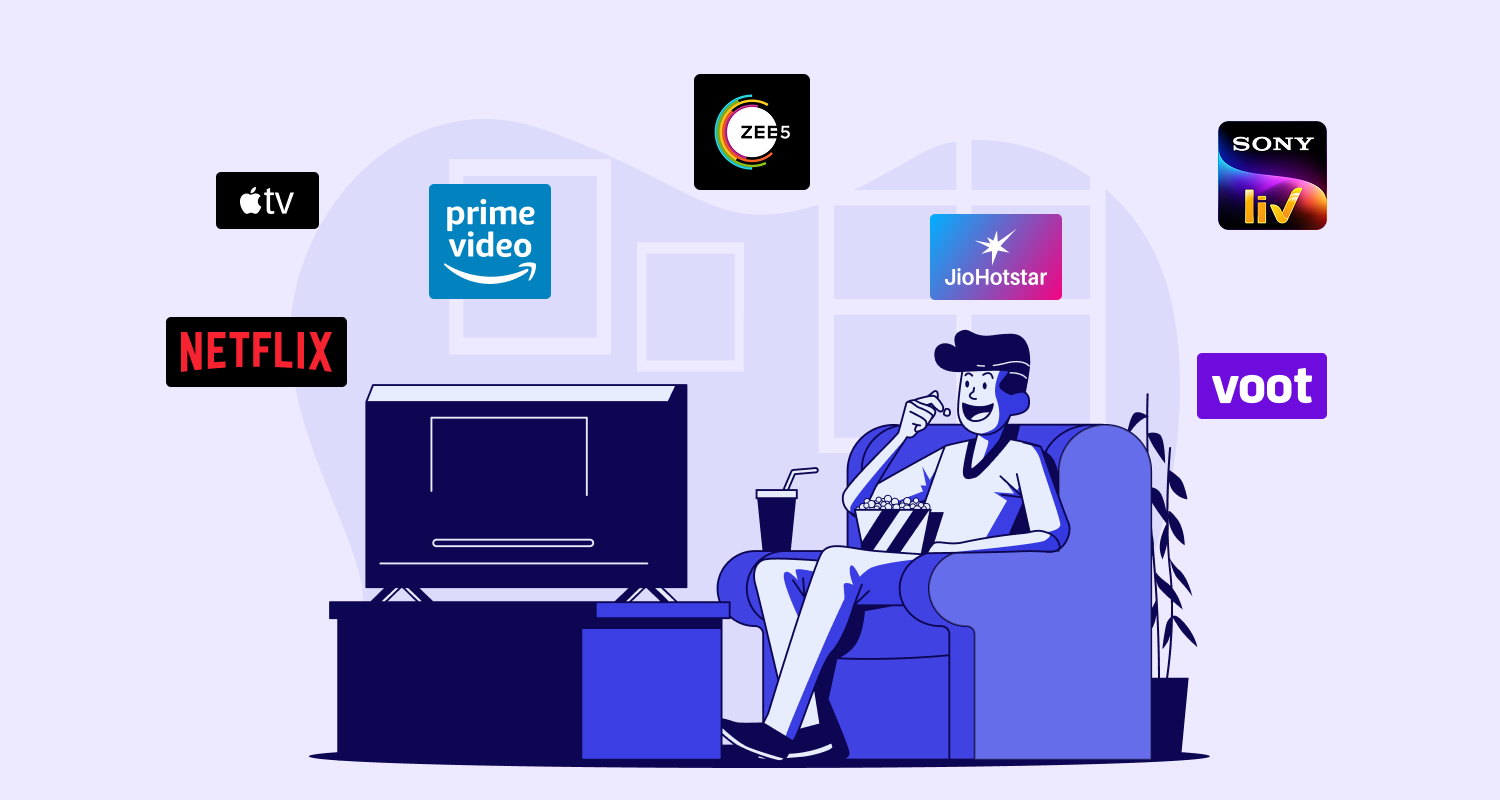
The streaming landscape no longer revolves around who can simply launch the flashiest original series. Today’s defining contest centers on distribution itself—how content reaches viewers, how platforms control that pathway, and how audiences are guided from discovery to habit. A handful of over-the-top services have moved far beyond content libraries. They now function as the primary architects of modern viewing infrastructure, rewriting the rules that once governed television, theatrical windows, and international licensing. Their strategies around bundling, hybrid monetization, live rights, and technical delivery are quietly determining which stories get seen and which markets remain accessible.
The Quiet Consolidation of Viewer Attention
Scale still matters, yet the nature of that scale has shifted. Netflix continues to hold the clearest global lead in paid memberships, operating across more than 190 countries with a subscriber base that consistently outpaces rivals. Its influence on distribution runs deeper than numbers. By building proprietary delivery infrastructure and refining recommendation systems that drive the majority of viewing hours, the platform has demonstrated how a single service can internalize both the content and the pipes. Competitors have taken note. Amazon Prime Video leverages its broader retail membership to embed video as one feature among many, turning everyday shopping into an on-ramp for streaming. Disney+ has refined the franchise approach, using interconnected universes and selective bundling with Hulu and ESPN+ to keep families within a single ecosystem longer than pure standalone services typically manage.
What stands out is the growing recognition that pure subscriber growth is no longer the sole victory condition. Attention has become fragmented across free ad-supported options, premium tiers, and live events. Platforms that once guarded exclusivity now experiment with selective sharing and multi-platform placement after initial windows close. This pragmatism reflects a maturing market where maximizing lifetime value of a title often outweighs locking it behind a single paywall forever.
Hybrid Models Redefining Access and Revenue
One of the clearest trends reshaping distribution is the rapid normalization of hybrid monetization. The rigid separation between subscription-only and advertising-supported viewing has dissolved. Netflix’s ad-supported tier, once considered a reluctant concession, now contributes meaningfully to growth in multiple markets. Disney+, Max, and others followed with their own lower-priced options that trade some viewing friction for broader reach. Free ad-supported streaming television channels have simultaneously expanded the floor of the market, capturing casual viewers who might never commit to another monthly fee.
This layering creates new distribution pathways. A title can begin life as a premium exclusive, migrate to an ad tier for wider sampling, and later feed free channels that keep the brand visible. The practical effect is a more fluid content lifecycle. Distributors and rights holders gain additional monetization stages without surrendering the ability to command premium pricing during peak demand. Viewers, in turn, encounter more flexible entry points, reducing the friction that once accompanied every new service launch.
Live sports have accelerated this evolution. Rights to major leagues and events now serve as powerful distribution anchors. Platforms that secure them gain habitual viewing patterns that pure scripted libraries struggle to match. Amazon’s investments in football and other properties illustrate how live content can pull users into an ecosystem and then hold them with surrounding original programming. The competition for these rights has become one of the most consequential distribution battles of the current phase, influencing everything from app design to partnership negotiations with traditional broadcasters.
Bundling and Aggregation as Strategic Levers
Perhaps the most consequential shift in distribution strategy is the rise of intentional bundling. Standalone subscriptions still exist, yet many leading platforms now treat packages as the primary vehicle for growth and retention. Disney’s multi-service bundles in the United States and selective international markets demonstrate the power of packaging complementary content under one price. Telecom and broadband providers have joined the fray, folding streaming access into mobile or home internet plans. These arrangements expand reach while lowering the perceived cost of entry for consumers already managing multiple household expenses.
Aggregation has followed a parallel path. Services that once insisted on direct relationships with every viewer now explore third-party channels and marketplace placements. Amazon’s Channels marketplace and similar features on other platforms allow smaller or specialized services to gain visibility without building full distribution infrastructure from scratch. The result is a more interconnected environment where a single login or device can surface content from multiple rights holders. For independent producers and regional players, this opens distribution routes that pure direct-to-consumer models once closed off.
Regional dynamics add further complexity. In markets such as India, platforms like JioHotstar have achieved enormous scale by combining local sports rights, vernacular content, and telecom integration. Chinese services operate under different regulatory and cultural constraints, emphasizing domestic scale and short-form experimentation. Leading global platforms increasingly adapt their distribution playbooks market by market rather than imposing a uniform template. Localization of interfaces, pricing, and even release timing has become standard practice among those seeking sustainable international presence.
Technical Foundations Enabling Flexible Reach
Behind the content strategies lie technical decisions that quietly determine distribution success. Adaptive bitrate streaming, multi-DRM protection, and sophisticated content delivery networks allow platforms to maintain quality across wildly varying network conditions and device types. Leaders invest heavily in edge caching and personalized preloading so that the experience feels instantaneous whether a viewer is on fiber or mobile data. Recommendation engines, powered by increasingly refined machine learning, now influence not only what appears on a home screen but also how content is packaged for different audience segments.
These capabilities matter because distribution is no longer a simple question of making a file available. It is about predicting demand, optimizing for latency during live events, and ensuring that advertising inventory can be inserted dynamically without breaking immersion. Platforms that control more of this stack gain leverage in negotiations with both content suppliers and advertisers. Those that rely heavily on third-party infrastructure remain more exposed to cost volatility and performance variability.
Emerging Patterns in Content Movement and Viewer Loyalty
A subtler but important development is the growing willingness to move titles across platforms after their initial exclusivity period. What once looked like dilution is increasingly viewed as amplification. A series that builds cultural momentum on one service can later reach complementary audiences on another, extending its commercial life and reinforcing the cultural conversation around it. This practice benefits rights holders seeking to extract maximum value and gives platforms additional library depth without exclusive production costs.
Viewer loyalty, meanwhile, is being rebuilt around habit rather than pure exclusivity. Sports schedules, daily recommendation rituals, and seamless multi-device continuity all contribute to stickiness. Platforms that succeed in turning occasional sampling into regular usage gain distribution advantages that pure content volume cannot match. The data loops created by frequent engagement further refine personalization, creating a reinforcing cycle that newer or smaller services find difficult to interrupt.
Looking across these developments, the leading OTT platforms are no longer merely competing for the same pool of subscribers. They are actively redesigning the pathways through which video reaches audiences. Bundling, hybrid pricing, live rights, technical infrastructure, and selective content sharing form the new toolkit of distribution strategy. The services that master these tools are not only capturing viewing hours today; they are setting the terms under which future content will travel, be discovered, and generate value. In a market that continues to grow yet feels increasingly concentrated, distribution expertise has become the clearest differentiator between platforms that shape the industry and those that merely participate in it.