
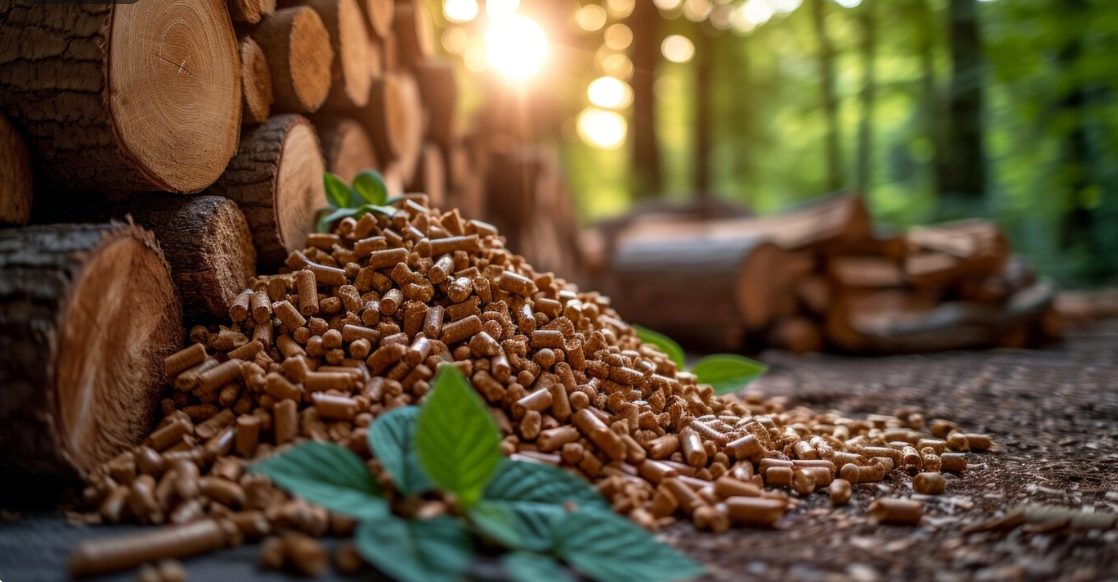
Introduction to Biomass Boilers
In recent years, the quest for sustainable and eco-friendly heating solutions has led to the rising popularity of biomass boilers in the UK. These boilers offer an innovative approach to heating by harnessing natural materials such as wood pellets, chips, or logs to produce heat. As concerns about climate change and fossil fuel dependency grow, biomass boilers present a viable alternative that aligns with environmental goals.
Biomass boilers are not just about reducing your carbon footprint; they also offer a connection to a more traditional form of energy usage. They blend modern technology with the age-old practice of burning organic materials for warmth. For homeowners and businesses alike, understanding how these systems work and their benefits can be a significant step toward embracing greener living.
Whether you’re a homeowner looking to reduce energy costs or a business aiming to enhance your sustainability credentials, biomass boilers could be a compelling option. This article delves into the workings of biomass boilers, their advantages, costs, and environmental impact, guiding you in making an informed decision.
How do Biomass Boilers Work?
At the heart of a biomass boiler system lies the process of combustion. Biomass boilers function by burning organic materials, such as wood pellets or chips, in a combustion chamber to produce heat. This heat is then transferred to a water-based heating system, providing warmth for your home or business. Unlike traditional boilers, which often rely on fossil fuels, biomass boilers utilise renewable sources, making them an eco-friendly choice.
Key components of a biomass boiler include a fuel storage area, a combustion chamber, a heat exchanger, and a flue system. The fuel storage area holds the biomass material, which is fed into the combustion chamber automatically or manually, depending on the system’s design. As the biomass burns, the heat exchanger captures the generated heat and transfers it to the water in your heating system.
Advantages of Biomass Boiler Operation:
- Efficiency: Biomass boilers are designed to operate at high efficiency, often exceeding 90%.
- Automation: Many modern biomass boilers come with automated fuel feeding systems, reducing the need for constant manual intervention.
- Versatility: Capable of burning a variety of biomass materials, providing flexibility in fuel choices.
Understanding the mechanics of biomass boilers is crucial for anyone considering this heating solution. By utilising natural fuels and efficient combustion technology, these boilers not only reduce carbon emissions but also offer reliable and consistent heating.
Benefits of Biomass Heating
One of the primary benefits of biomass heating is its environmental friendliness. By utilising renewable organic materials, biomass boilers significantly reduce reliance on fossil fuels. This shift not only lowers greenhouse gas emissions but also supports sustainable forestry practices, as the demand for wood pellets and chips promotes responsible forest management.
Additional Benefits Include:
- Cost Savings: Although the initial investment can be steep, biomass boilers can lead to substantial savings over time. The cost of biomass fuel is typically lower than that of oil or gas, and with government incentives, the return on investment can be quite appealing.
- Energy Independence: Moving to biomass heating can reduce your dependence on external energy suppliers. By using locally sourced materials, you contribute to a more resilient and self-sufficient energy system.
- Renewable Heat Incentive: In the UK, the government offers financial incentives for those who install biomass boilers through the Renewable Heat Incentive (RHI) scheme. This programme provides regular payments for heat generated by renewable sources.
Biomass heating systems are not only beneficial for the environment but also offer practical advantages in terms of cost and energy security. By adopting this heating method, you are investing in a future that values both sustainability and efficiency.
Costs Associated with Biomass Boilers
When considering biomass boilers, it’s essential to weigh both the initial costs and the long-term financial implications. The upfront cost of a biomass boiler system can be significant, often ranging from £5,000 to £20,000 or more, depending on the type and size of the system. Installation costs, which include labour and any necessary modifications to your property, also contribute to the overall expense.
However, the potential savings on energy bills can offset these initial costs over time. Biomass fuel is generally more affordable than fossil fuels, and with proper maintenance, these systems can be incredibly efficient. Additionally, government schemes like the Renewable Heat Incentive (RHI) can provide financial support, making the investment more attractive.
Key Financial Considerations:
- Upfront Costs: Includes purchase of the boiler, installation, and any necessary infrastructure changes.
- Fuel Costs: Ongoing operational expenses that are usually lower than traditional fuels.
- Incentives: Government grants and incentives can significantly reduce the financial burden.
In summary, while the initial cost of biomass boilers may be higher than conventional systems, the long-term savings and environmental benefits make them a worthwhile investment for those committed to sustainable living.
Environmental Impact of Biomass Heating
Switching to biomass heating can substantially lower your environmental impact. By replacing fossil fuel-based systems with biomass boilers, you contribute to the reduction of carbon dioxide emissions. Biomass is considered a carbon-neutral energy source because the carbon dioxide released during combustion is roughly equivalent to the amount absorbed by the plants during their growth.
Furthermore, the use of sustainably sourced biomass materials supports biodiversity and healthy ecosystems. Responsible forestry and agricultural practices ensure that biomass production does not lead to deforestation or habitat destruction. Additionally, many biomass systems use waste materials, such as wood chips from sawmills, which would otherwise contribute to landfill waste.
Environmental Benefits:
- Carbon Neutrality: Balances carbon emissions with absorption, mitigating climate change effects.
- Support for Sustainable Practices: Encourages responsible resource management and biodiversity conservation.
- Waste Reduction: Utilises by-products and reduces landfill contributions.
The environmental advantages of biomass boilers are clear. By choosing this renewable energy source, you are playing a part in the fight against climate change and promoting a healthier planet for future generations.
Comparing Biomass Boilers with Other Heating Solutions
When evaluating heating options, it’s crucial to compare biomass boilers with other available solutions to determine the best fit for your needs. Traditional heating systems, such as gas or oil boilers, have been the standard for many years. However, these systems rely on finite fossil fuels, contributing to greenhouse gas emissions.
In contrast, renewable energy systems like biomass boilers, heat pumps, and solar thermal panels offer sustainable alternatives. Each of these systems has its benefits and drawbacks, and the best choice depends on factors like installation costs, availability of resources, and individual heating requirements.
Biomass boilers stand out for their sustainability and efficiency, making them a compelling choice for environmentally conscious consumers.
Installation Process of Biomass Boilers
Installing a biomass boiler involves several steps, from selecting the right system to ensuring proper integration into your existing infrastructure. The process begins with an assessment of your property’s heating needs and available space. This evaluation helps determine the appropriate size and type of biomass boiler for your situation.
Once you’ve chosen a system, the installation phase involves several components, including setting up the boiler, connecting it to your heating system, and installing a flue for exhaust gases. It’s essential to hire a qualified installer to ensure the system operates safely and efficiently. The installer will also provide guidance on fuel storage and handling, crucial aspects of maintaining a biomass boiler.
Installation Checklist:
- Site Assessment: Evaluate heating requirements and available space.
- Boiler Selection: Choose the correct size and type of biomass boiler.
- Professional Installation: Hire certified technicians for setup and connection.
- Fuel Storage: Arrange for proper storage and handling facilities.
Proper installation is vital for the efficient operation of biomass boilers. By following these steps and seeking professional assistance, you can ensure your system is set up for optimal performance and longevity.
Maintenance Requirements for Biomass Boilers
Regular maintenance is essential for ensuring the longevity and efficiency of your biomass boiler. Unlike traditional boilers, which may require less frequent attention, biomass systems rely on organic materials that can produce ash and residue. Therefore, routine cleaning and upkeep are necessary to maintain optimal performance.
The maintenance tasks for a biomass boiler typically include clearing ash from the combustion chamber, checking and cleaning the heat exchanger, and ensuring the flue is free of blockages. Additionally, it’s important to regularly inspect the fuel feeding system for any signs of wear or malfunction. Scheduling annual service checks with a professional technician can help identify potential issues before they become significant problems.
Maintenance Tips:
- Ash Removal: Regularly clear ash build-up to prevent blockages.
- System Inspection: Conduct routine checks of all components for wear and tear.
- Professional Servicing: Schedule annual maintenance with a qualified technician.
By adhering to a consistent maintenance routine, you can extend the lifespan of your biomass boiler and ensure it continues to operate efficiently and safely.
Government Incentives and Grants for Biomass Heating
The UK government recognises the importance of transitioning to renewable energy sources and offers several incentives to encourage the adoption of biomass heating. The Renewable Heat Incentive (RHI) is one of the most prominent schemes, providing financial support to homeowners and businesses that install eligible biomass systems.
Under the RHI programme, participants receive quarterly payments based on the amount of renewable heat their system produces. This incentive not only helps offset the initial investment costs but also provides ongoing financial benefits. Additionally, there are grants available for property owners looking to upgrade their heating systems to more sustainable options.
Available Incentives:
- Renewable Heat Incentive (RHI): Offers quarterly payments for renewable heat generation.
- Installation Grants: Financial assistance for upgrading to biomass systems.
- Tax Benefits: Potential tax reductions for energy-efficient home improvements.
Exploring these incentives can significantly reduce the financial barriers to adopting biomass heating. By taking advantage of government support, you can make a more financially sound and environmentally responsible choice for your heating needs.
Conclusion: Are Biomass Boilers the Right Choice for You?
Deciding whether biomass boilers are the right choice for your home or business involves considering various factors, including environmental impact, cost, and personal values. Biomass boilers offer a sustainable and efficient heating solution that reduces carbon emissions and supports renewable energy initiatives. They provide long-term cost savings and energy independence, making them an attractive option for individuals committed to sustainability.
However, the initial investment and maintenance requirements can be substantial, and not all properties are suitable for biomass systems. It’s essential to evaluate your specific needs, budget, and available space before making a decision. Consulting with a professional can provide valuable insights and help you determine if biomass boilers align with your goals.
As you explore your heating options, consider the broader impact of your choice. By opting for a biomass boiler, you contribute to a sustainable future and play a role in reducing environmental impact. If you’re ready to take the next step toward greener living, consider contacting a renewable energy expert to discuss the potential of biomass heating for your property.
Ready to make the switch to sustainable heating? Contact a renewable energy expert today to explore how biomass boilers can benefit your home or business. Make the environmentally friendly choice and contribute to a greener future.