
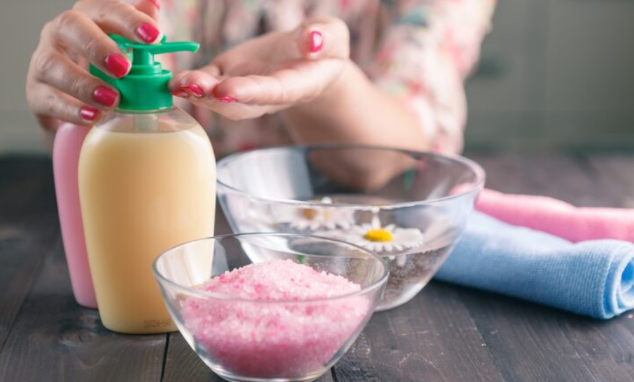
More people are ditching commercial products and trying DIY shampoo at home — and for good reason. Store-bought shampoos often contain sulfates, parabens, and synthetic fragrances that strip natural oils from your scalp. Making your own lets you control every single ingredient.
How to Make Shampoo at Home With Natural Ingredients?
The basic formula is straightforward: a gentle cleanser, a nourishing agent, and optional essential oils. Castile soap works as a base for most hair types. Mix 1/4 cup with 1/4 cup of coconut milk, add 10 drops of rosemary oil — done. Takes about 3 minutes.
For a soap-free option, combine 2 tablespoons of baking soda with one cup of warm water. This strips buildup effectively, though its higher pH (around 9) means you should always follow up with an apple cider vinegar rinse.
What Is the Best 3-Ingredient Homemade Shampoo?
Honestly, the simplest recipe often performs best. Blend aloe vera gel, liquid castile soap, and jojoba oil in equal parts. Aloe vera has a pH of 4.5–5.5 — close to your scalp’s natural level — which helps maintain moisture without irritation.
How to Make Shampoo With Amla, Reetha, and Shikakai?
This Ayurvedic trio has been used in India for centuries. Soak 3-4 pieces each of amla, reetha (soapnuts), and shikakai in two cups of water overnight. Boil the mixture until it reduces by half, strain it, and you’ve got a natural cleanser rich in saponins. A 2021 study in the Journal of Cosmetic Dermatology confirmed that soapnut-based formulas cleanse effectivley without disrupting the scalp microbiome.
Indian Homemade Shampoo for Hair Growth
Fenugreek seeds are a powerhouse here. Soak two tablespoons overnight, grind into paste, mix with rice water. Fenugreek contains compounds that may inhibit 5-alpha reductase — the enzyme linked to hair thinning. Use this blend twice a week for at least 6-8 weeks before expecting visible results.
What About the Detox Period?
This catches most beginners off guard. When switching from commercial to homemade shampoo, your scalp goes through an adjustment phase lasting 2-4 weeks. Hair might feel waxy or extra oily. Thats completely normal — your sebaceous glands need time to recalibrate after years of being stripped by sulfates.
Common Mistakes That Make DIY Shampoo “Fail”
Skipping pH testing is the biggest one. Your scalp thrives at pH 4.5-5.5. Baking soda recipes without a vinegar rinse push pH way too high, causing frizz and breakage over time. Grab some pH test strips — they cost practically nothing.
Another mistake: no preservatives. Homemade shampoo without a preservative like vitamin E oil or rosemary extract lasts only 1-2 weeks refrigerated. Batches left at room temparature can grow bacteria within days.
FAQ
Which shampoo is best for acne-prone skin?
Avoid coconut oil-based recipes — they’re comedogenic. Instead, use tea tree oil (5% concentration) with a castile soap base. Tea tree has proven antimicrobial properties that help with scalp acne without clogging pores.
Homemade shampoo for hair growth and thickness?
Combine castor oil, peppermint essential oil, and a mild cleanser base. A 2014 study in Toxicologic Pathology showed peppermint oil increased dermal thickness and follicle number in mice models — promising, though human trials remain limited.
Final Thoughts
Making shampoo at home isn’t complicated, but it does require some basic knowledge about pH balance, ingredient interactions, and proper storage. Start with one simple recipe, give your hair the detox period it needs, and adjust from there. Your scalp — and your wallet — will thank you.