
The digital landscape evolves at a pace that often pushes businesses toward short-term solutions. Paid campaigns, social media spikes, and trend-based content can generate quick attention, but they rarely build lasting visibility. In contrast, search engine optimization remains one of the few disciplines designed for long-term digital stability.
SEO is not a single tactic or isolated marketing channel. It is a framework that connects technical quality, content relevance, and trust signals into a system that compounds over time. When approached strategically, it helps websites remain discoverable even as platforms, trends, and user behavior continue to shift.
Optimization as a Foundation, Not an Afterthought
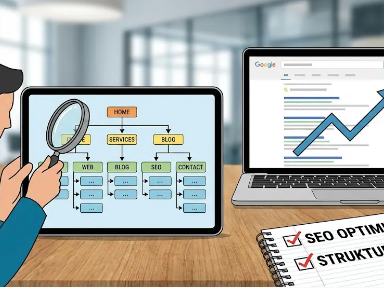
Many websites begin optimizing only after traffic stagnates. This reactive mindset often limits results. Sustainable growth usually comes from treating optimization as a foundation rather than a repair tool. Well-structured pages, logical internal linking, and clear topical focus create an environment where content can perform consistently.
Educational resources dedicated to SEO optimization often stress that real progress happens when optimization supports the entire site architecture, not just individual pages. This approach reduces dependency on constant updates and helps content age gracefully.
Understanding What Search Data Reveals
Search engines reflect real human questions, needs, and uncertainties. Each query represents intent, not just a keyword. Businesses that invest time in understanding these patterns gain insight into how people actually describe their problems and expectations.
Using structured methods such as keyword analysis allows websites to align their content with natural search behavior. This alignment improves relevance while avoiding over-optimization or artificial language that often harms credibility.
Trust Signals and the Role of Authority
Beyond content and structure, authority plays a defining role in search visibility. Search engines favor websites that demonstrate consistency, expertise, and contextual relevance over time. Authority is built gradually through references, contextual links, and coherent topical coverage.
Strategic Linkbuilding contributes to this process when links appear naturally within informative content. Rather than chasing volume, the focus shifts toward relevance and placement, reinforcing trust without disrupting the reading experience.
In a digital environment shaped by constant change, SEO offers something increasingly rare: continuity. Websites that commit to long-term optimization are better equipped to adapt, remain visible, and build meaningful connections with their audiences over time.