
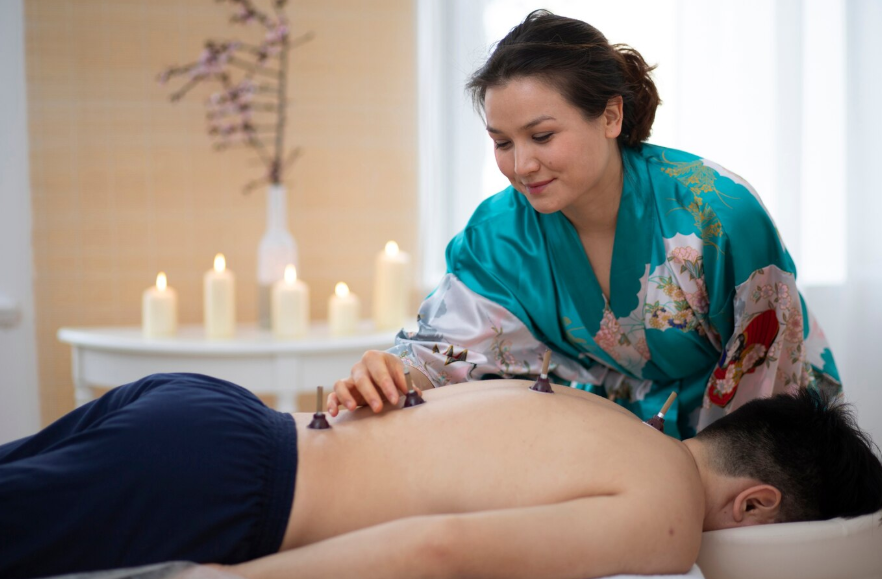
South Korea is known worldwide for its vibrant culture, advanced skincare, and K-pop influence—but one of the country’s lesser-known gems is its diverse and deeply therapeutic massage culture. From centuries-old traditional techniques to modern luxury spa treatments, Korea massage(여성전용마사지) represents a perfect blend of ancient healing wisdom and contemporary wellness.
Whether you’re seeking stress relief, muscle recovery, or a spiritual detox, experiencing a Korean massage is both physically rejuvenating and culturally enriching. Let’s dive into what makes Korea massage unique and why it’s becoming a popular wellness choice for locals and international visitors alike.
What Is Korea Massage?
Korea massage refers to a range of massage techniques practiced in South Korea, ranging from traditional methods like Amma therapy and acupressure, to modern interpretations like aroma therapy, sports massage, and luxury spa treatments. The aim is to promote overall well-being by restoring balance in the body through physical touch, energy alignment, and improved circulation.
These massages aren’t just about pampering—they serve medical, spiritual, and mental health functions. Many Koreans regularly visit massage clinics, jjimjilbangs (Korean bathhouses), or wellness spas as part of their routine self-care.
Types of Korea Massage
The world of Korean massage is incredibly varied, with techniques that serve different purposes. Some of the most common and highly recommended options include:
1. Traditional Korean Massage (Amma or Anma)
This technique is rooted in centuries-old Eastern medicine and involves rhythmic pressing, tapping, and stretching. It focuses on Qi (energy) flow through the meridians of the body, aiming to remove blockages and restore vitality.
Benefits include:
- Relieving tension and stiffness
- Improving circulation
- Balancing internal energy
2. Sports and Deep Tissue Massage
These massages are more intense, targeting deeper muscle layers to relieve chronic pain, muscle tightness, and sports-related injuries. Korean therapists are well-trained in identifying muscle knots and applying techniques that help with flexibility and recovery.
Athletes and fitness enthusiasts often seek out these massages to enhance performance and speed up healing.
3. Aromatherapy and Relaxation Massage
This style combines gentle touch with essential oils to promote deep relaxation. The use of oils like lavender, eucalyptus, or ylang-ylang adds emotional and mental wellness benefits, helping with:
- Insomnia
- Anxiety
- Mental fatigue
It’s a great introduction to Korea massage for beginners or anyone seeking stress relief.
4. Jjimjilbang Massage
No discussion of Korea massage is complete without mentioning the jjimjilbang—a Korean bathhouse that includes saunas, hot pools, and massage services. After soaking in herbal baths or sweating in charcoal rooms, visitors often indulge in a massage for full-body relaxation.
You can choose from:
- Oil massages
- Body scrubs
- Foot reflexology
- Cupping therapy
The atmosphere is more casual and communal than luxury spas but highly therapeutic and deeply cultural.
5. Facial and Scalp Massage
Korean facial massages often include lymphatic drainage and firm strokes to lift the skin. Combined with traditional Korean skincare, they help improve elasticity and reduce puffiness. Scalp massages, meanwhile, are known to relieve headaches, promote hair growth, and reduce tension.
Benefits of Korea Massage
Korea massage isn’t just about relaxation—it’s a holistic experience that supports physical and mental wellness.
- Relieves Stress and Anxiety: Stimulates the parasympathetic nervous system, reducing cortisol levels.
- Improves Circulation: Enhances oxygen flow and promotes cell regeneration.
- Supports Detoxification: Stimulates the lymphatic system, especially when paired with sauna use.
- Alleviates Chronic Pain: Ideal for back pain, migraines, and muscular imbalances.
- Boosts Immunity: Regular massage may strengthen immune response through reduced inflammation.
Cultural Importance of Massage in Korea
Massage is deeply embedded in Korean culture. Many families practice basic massage techniques at home as a form of affection and care. In traditional Korean medicine (Hanbang), touch is considered vital in understanding and correcting imbalances in the body.
Additionally, wellness and beauty are closely linked in Korean society. Regular massages are viewed not as luxury, but as maintenance—just like a skincare routine or healthy eating.
What to Expect During a Korea Massage
When visiting a professional massage center in Korea, the experience may include:
- A brief consultation or health check
- A choice of oil or balm
- Optional herbal foot baths
- A massage table or floor mat depending on the style
- Focused pressure on muscles, joints, and energy points
- Calming music and aromatherapy in the background
The intensity can vary—traditional massages can be firm and may feel intense if you’re new to them, while spa-style treatments are typically more soothing.
After the session, some places offer herbal tea or a warm towel to help your body gradually return to its resting state.
Tips for First-Time Visitors
- Book in advance if you’re going to a popular spa or jjimjilbang, especially on weekends.
- Communicate clearly about pressure preferences and pain points.
- Drink water after the session to help flush out toxins.
- Wear loose clothing or bring a change of clothes for comfort post-massage.
If you’re not fluent in Korean, many urban clinics and spas have English-speaking staff or booking platforms for international guests.
Where to Find a Korea Massage
You can find excellent massage services throughout South Korea, particularly in major cities like Seoul, Busan, and Incheon. Some top places include:
- Luxury hotel spas: Often feature full-service wellness treatments in serene, high-end environments.
- Medical massage clinics: Specialize in therapeutic massages, often staffed by certified physical therapists.
- Jjimjilbangs: Affordable and culturally immersive. Ideal for full-body treatments and relaxation.
- Beauty salons: Offer facial massages and skincare-based treatments with massage elements.
Is Korea Massage Suitable for Everyone?
Generally, yes—but with some precautions. Pregnant women, those with severe injuries, or individuals with chronic conditions should consult with a physician or inform the massage therapist beforehand. Korea also offers prenatal and postpartum massages specifically designed for women’s changing bodies.
A Korea massage is much more than a spa day—it’s a tradition of healing and wellness that has been refined over generations. Whether you’re visiting Korea or looking for authentic Korean-style massage in your own country, the techniques and philosophy behind this practice offer a deep sense of balance, renewal, and care.
The next time you’re feeling stressed, stiff, or simply in need of self-care, consider experiencing Korea massage—not just as a treatment, but as a mindful ritual that reconnects your body and mind.