
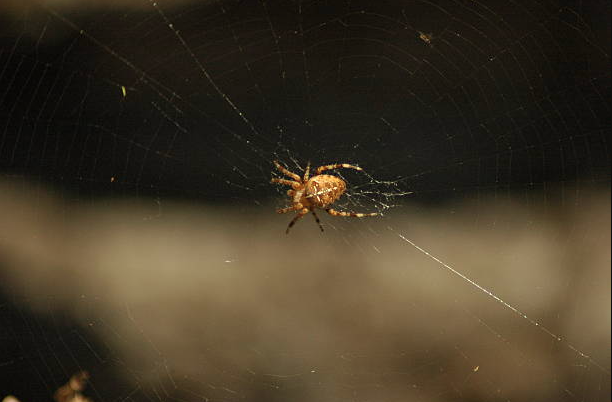
If you’ve ever ventured into your attic and noticed thin webs glistening in the dim light, you’re not alone. In Eagle’s quiet neighborhoods, attics are a magnet for spiders and other dark space bugs. These hidden zones provide warmth, shelter, and a steady buffet of insects—perfect conditions for arachnid tenants. Understanding where spiders gather and why they thrive there is the first step to keeping your home’s upper levels clean and pest-free.
Why Spiders Love Eagle Attics
Eagle attics offer a unique combination of environmental factors that appeal to spiders:
- Low Disturbance – Unlike kitchens or living rooms, attics are rarely visited, giving spiders an uninterrupted space to spin webs and hunt.
- Ample Prey – Moths, beetles, and other insects find their way into attics, creating a reliable food source.
- Ideal Climate – Attics tend to be warmer in winter and cooler in summer compared to the outdoors, allowing spiders to stay active year-round.
Spiders in these spaces aren’t just passing through—they’re settling in, breeding, and establishing long-term colonies.
Common Spider Hotspots in Eagle Attics
Knowing where spiders tend to congregate helps in spotting infestations early. These are the prime areas to check:
1. Corners and Rafters
Spiders gravitate toward tight upper corners and the junctions where rafters meet. These locations offer structural support for large, stable webs and an elevated vantage point for capturing prey.
2. Behind Stored Boxes and Furniture
Cluttered storage areas provide both camouflage and hunting grounds. Spiders often weave webs between forgotten items, making them harder to spot until the population has grown.
3. Near Vents and Eaves
Air vents and roof eaves can act as gateways for insects. Spiders position themselves nearby to intercept incoming meals.
4. Insulation Cavities
Loose-fill or batt insulation offers warmth and seclusion. Some species burrow slightly into insulation, creating hidden retreats that are tricky to reach during cleaning.
Signs of a Spider Infestation
While a single spider isn’t a cause for alarm, multiple indicators suggest a more serious attic problem:
- Abundant Webbing – Thick or layered webs across several attic sections.
- Egg Sacs – Silky white pouches tucked in corners or between beams.
- Consistent Sightings – Spiders appearing during multiple attic visits, often in the same locations.
- Other Insects Present – A thriving insect population often signals that spiders will soon follow.
If you’re spotting these warning signs, the population has likely been building for weeks or months.
How to Reduce Spider Hotspots
Prevention is the most effective long-term strategy for keeping attic spiders under control. Here’s what works best:
Seal Entry Points
Inspect the attic for cracks, gaps, or holes near vents, chimneys, and rooflines. Sealing these gaps limits both spider access and the insects they feed on.
Manage Clutter
Spiders thrive in undisturbed piles of boxes and furniture. Organizing and reducing attic storage makes the environment less appealing.
Improve Lighting and Airflow
Brighter, well-ventilated attics deter many dark space bugs and, by extension, their predators.
Regular Cleaning
Vacuuming webs and dust regularly disrupts spider activity and makes it harder for them to reestablish nests.
Professional Help for Persistent Infestations
When spiders persist despite your best efforts, calling a professional is the safest route. Local experts can:
- Identify spider species and behavior patterns
- Use targeted treatments that minimize harm to non-target insects
- Inspect for other pest activity fueling the infestation
For larger properties or business spaces, attic spiders Eagle pest zone commercial pest control services can address both current spider issues and long-term prevention.
If you’re a homeowner struggling with stubborn attic populations, home pest control solutions can deliver safer, more lasting results than DIY methods.
You can also find reliable pest control service providers in your area who specialize in attic treatments.
Final Thoughts
Attic spiders aren’t just random visitors—they’re often part of a thriving ecosystem in your home’s upper levels. By understanding their favorite hiding spots, you can act early and keep infestations from taking root. Regular inspections, smart prevention steps, and timely professional help make the difference between a harmless cobweb and a full-blown attic takeover.
Your attic may be out of sight, but with the right approach, it doesn’t have to be out of mind—or overrun by eight-legged tenants.