


Detecting hearing issues early in children can make a significant difference in their speech, language, and social development. However, many parents find it challenging to notice subtle signs of hearing loss, especially in infants and toddlers who cannot express their difficulties clearly. This is where modern technology is transforming the landscape of pediatric care.
In this article, we explore the latest innovations in kids hearing test methods that make assessments more accurate, efficient, and child-friendly, ensuring early detection and intervention. For parents interested in professional evaluations, you can learn more about paediatric audiometry here https://dsaudiology.sg/paediatric-audiometry/ to understand how these tests work for your child.
Traditional Kids Hearing Tests – Limitations and Challenges
Conventional hearing tests for children, such as pure-tone audiometry and behavioral observation methods, have been the standard for decades. These tests rely on the child’s active participation, requiring them to respond to sounds by raising a hand or pressing a button. While effective for older children, these methods can be challenging for infants and toddlers who may not fully understand instructions or cannot communicate their responses reliably.
Other limitations include longer testing times and the need for a quiet, controlled environment, which can be difficult with young, active children. These challenges can sometimes delay diagnosis or lead to inconclusive results. As a result, there has been a growing need for innovative approaches that provide faster, more accurate, and child-friendly hearing assessments.
Automated and Objective Testing Technologies
Recent advancements in audiology have introduced automated and objective testing methods that overcome many limitations of traditional assessments. Two of the most widely used technologies are Otoacoustic Emissions (OAE) and Auditory Brainstem Response (ABR) testing.
OAE testing measures sounds produced by the inner ear in response to stimuli, while ABR testing evaluates how the auditory nerve and brainstem respond to sound. Both methods do not require active participation from the child, making them ideal for infants and toddlers.
These objective tests provide faster, more accurate results, allowing audiologists to detect hearing issues at an earlier stage. Early detection through these technologies ensures timely intervention, which is crucial for optimal speech and language development.
Mobile and App-Based Screening Tools
In recent years, mobile and app-based screening tools have transformed how children’s hearing is assessed. Portable devices and smartphone-enabled apps allow audiologists to conduct quick hearing checks outside traditional clinic settings, such as in schools or community centers. These tools often use gamified tests to engage children, making the process less intimidating and more accurate.
Parents also benefit from the convenience of these innovations, as some apps provide preliminary screenings that can indicate whether a professional evaluation is necessary. While not a replacement for full clinical testing, these mobile solutions improve accessibility and help identify potential hearing issues early, ensuring children receive timely intervention for optimal speech, language, and social development.
AI and Data-Driven Advances
Artificial intelligence (AI) and data-driven technologies are revolutionizing how kids hearing tests are interpreted. Machine learning algorithms can analyze complex hearing test data, detecting subtle patterns that may indicate early hearing loss even before obvious symptoms appear. These tools help audiologists make more accurate diagnoses and tailor interventions to each child’s unique needs.
Data-driven insights also allow for predictive monitoring, tracking a child’s hearing over time and flagging potential issues for timely follow-up. By combining AI with traditional testing methods, audiologists can provide more personalized care, reduce the chances of misdiagnosis, and ensure early intervention, ultimately supporting better speech, language, and cognitive development in children.
Tele-audiology and Remote Consultations
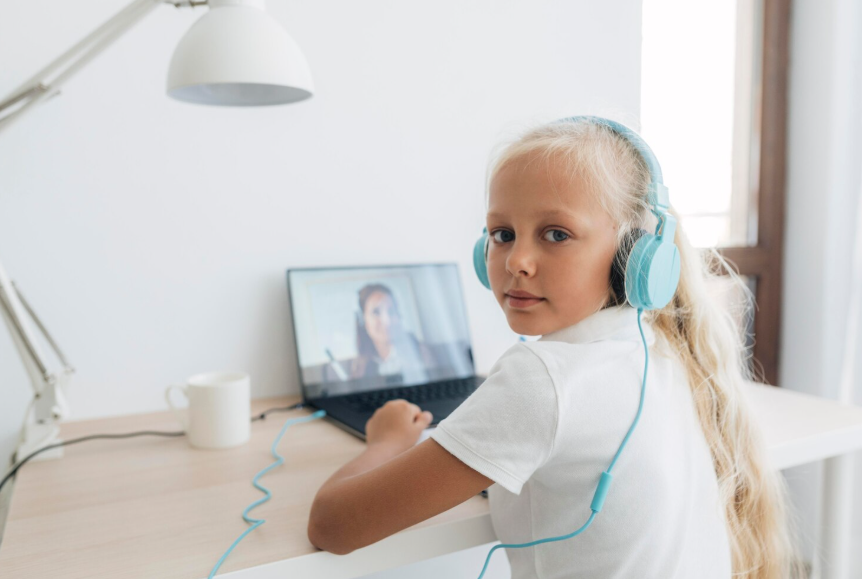
Tele-audiology is an emerging approach that allows children and families to access hearing care remotely. Through secure video consultations, audiologists can guide parents in conducting preliminary hearing checks, review test results, and provide follow-up care without the need for frequent clinic visits.
Remote testing tools, combined with digital monitoring, enable audiologists to track a child’s hearing progress over time, ensuring timely adjustments and interventions. This technology is especially valuable for families living outside major cities or with limited access to pediatric audiology clinics.
How Innovations Impact Children and Families
The latest innovations in kids hearing tests have a profound impact on both children and their families. Early detection through objective testing, mobile tools, AI analysis, and tele-audiology ensures that hearing issues are identified before they affect speech, language, and social development.
For children, these technologies make the testing process less stressful, faster, and more engaging, which increases accuracy and comfort. For parents, early detection and remote monitoring provide reassurance and easier access to professional guidance. Overall, these advancements lead to timely interventions, improved developmental outcomes, and greater confidence for families navigating their child’s hearing health journey.
Conclusion
Technological innovations are transforming kids hearing tests, making assessments more accurate, efficient, and child-friendly. Early detection is crucial for supporting speech, language, and social development, and modern tools like OAE, ABR, mobile screening apps, AI analysis, and tele-audiology have made it easier than ever. These advancements benefit both children and families, providing timely interventions and peace of mind.
If you want to ensure your child’s hearing is thoroughly evaluated and supported with the latest technology, we invite you to visit our clinic in Singapore for a professional kids hearing test and personalized guidance. Details below:
D&S Audiology – Audiologist | Hearing Aid & Repair | Industrial Hearing Test Singapore
Woods Square Office (Tower 1)
12 Woodlands Square, #13-73 Woods Square Tower 1, Singapore 737715
Phone: 8044 9632