


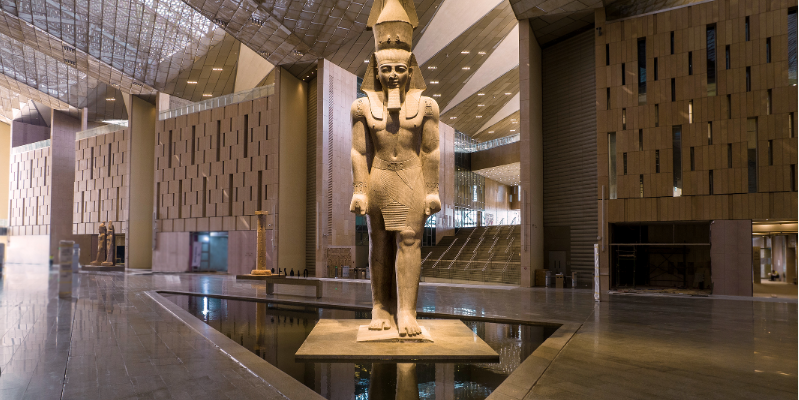
Egypt stands as a timeless destination where ancient wonders meet modern adventure. This captivating country offers travelers an unparalleled journey through millennia of human achievement, stunning natural landscapes, and a culture that warmly embraces visitors from around the globe. Whether you seek historical enlightenment, outdoor adventures, or simply a unique cultural experience, Egypt delivers on every level.
The Historical Treasures of the Nile Valley
Egypt’s history stretches back to the dawn of recorded civilization, making it an incomparable destination for those fascinated by the ancient world. The civilization that emerged along the Nile around 3100 BCE developed sophisticated systems of government, religion, writing, and architecture that influenced cultures across the Mediterranean and beyond. The Old Kingdom period witnessed the construction of the iconic pyramids, massive stone monuments that served as eternal resting places for divine kings and required the labor of thousands of workers over decades. These engineering marvels were complemented by elaborate temple complexes, sphinx statues, and mastaba tombs that created vast necropolises in the desert. The Middle Kingdom brought literary and artistic refinement, while the New Kingdom represented Egypt’s imperial zenith with warrior pharaohs like Thutmose III and Ramesses II expanding borders and constructing colossal temples. Modern travelers eager to experience these wonders often begin with Giza tours and attractions, where the pyramid complex stands as humanity’s most recognizable ancient achievement, accompanied by the enigmatic Sphinx whose worn features have gazed across the desert for over 4,500 years. The southern city of Luxor, built on the site of ancient Thebes, contains an astonishing concentration of monuments including the sprawling Karnak Temple complex with its towering columns and sacred lake, the elegant Temple of Luxor illuminated beautifully at night, and the west bank’s Valley of the Kings where pharaohs were buried in rock-cut tombs decorated with vivid paintings depicting the journey through the underworld. Abu Simbel’s massive cliff temples, relocated in the 1960s to save them from Lake Nasser’s rising waters, showcase Ramesses II’s power with colossal statues guarding the entrance. The Ptolemaic period introduced Greek influences visible at temples like Edfu and Kom Ombo, while Roman occupation left theaters, baths, and fortifications. Early Christianity transformed Egypt into a center of monasticism with desert communities like St. Catherine’s Monastery at Mount Sinai preserving ancient manuscripts and icons. Islamic conquest in the 7th century brought new architectural styles visible in Cairo’s medieval quarters, where narrow lanes wind past ornate mosques, bustling khan markets, and historic houses with latticed balconies, creating a living museum of Islamic civilization alongside pharaonic monuments.
The Geographic Splendor of Egypt
Egypt’s landscape encompasses far more diversity than many travelers expect, extending well beyond the desert images commonly associated with the country. The Nile River remains the defining geographic feature, its waters supporting nearly all Egyptian agriculture and settlement in a narrow ribbon of green that contrasts sharply with surrounding deserts. From the river’s entry into Egypt at Lake Nasser, it flows northward for over 1,000 kilometers, passing ancient sites, modern cities, and agricultural villages before spreading into the fertile delta where it reaches the Mediterranean. The river enabled the development of Egyptian civilization by providing reliable water, fertile soil renewed by annual floods, and transportation connecting Upper and Lower Egypt. West of the Nile stretches the vast Sahara, where the Western Desert contains scattered oases that have served as waypoints on trans-Saharan trade routes for millennia, with places like Siwa Oasis offering palm groves, salt lakes, mud-brick architecture, and Berber culture distinct from mainstream Egyptian society. The desert landscapes include towering sand dunes that shift with the winds, flat gravel plains extending to distant horizons, and unique formations like the White Desert where wind-eroded chalk rocks create surreal sculptures resembling mushrooms, chickens, and abstract art. The Eastern Desert between the Nile and Red Sea presents more mountainous terrain cut by wadis, dry riverbeds that occasionally flow during rare rainstorms, and contains ancient quarries where Egyptians extracted granite, porphyry, and other stones for temples and monuments. The Red Sea coastline has emerged as a major tourist destination thanks to its exceptional underwater environment, with coral reefs extending along hundreds of kilometers of coast and supporting incredible biodiversity including reef sharks, rays, moray eels, sea turtles, and countless species of tropical fish in waters that remain warm and clear year-round. The Sinai Peninsula forms a land bridge between Africa and Asia, combining Red Sea beaches with dramatic mountain landscapes including peaks exceeding 2,500 meters in elevation, Bedouin communities maintaining traditional lifestyles, and historic monasteries perched in remote valleys. The Mediterranean coast offers a different character entirely, with cities like Alexandria blending European and Egyptian influences, beaches attracting summer visitors, and ancient ruins from Greek and Roman periods scattered along the shore. This remarkable geographic variety ensures that vacations in egypt can be designed around virtually any interest, from archaeological tourism and cultural immersion to adventure activities like desert safaris, mountain hiking, diving expeditions, and beach relaxation, often combining multiple experiences within a single trip.
Climate Realities and Social Dynamics
Understanding Egypt’s climate is essential for planning a comfortable and enjoyable visit, as weather conditions vary significantly by season and region. The country experiences a desert climate characterized by hot summers, mild winters, and minimal precipitation, with most areas receiving less than 25 millimeters of rain annually and some desert regions going years without measurable rainfall. Winter extends from December through February, bringing the most pleasant conditions for tourism with daytime temperatures generally ranging from 18-25°C (64-77°F) in Cairo and northern regions, making this peak season for international visitors who fill hotels, cruise ships, and tour buses at major sites. Southern destinations like Aswan remain warmer even in winter, often reaching 30°C (86°F) during the day, though desert locations can experience surprisingly cold nights when temperatures drop below 10°C (50°F) and occasionally reach freezing in high desert areas. Spring arrives in March with gradually increasing temperatures and the possibility of khamsin wind events, hot southerly winds from the Sahara that bring dust storms reducing visibility and coating surfaces with fine sand, though these typically last only a few days at a time. Summer from June through September brings intense heat particularly in inland areas, with Cairo regularly exceeding 35°C (95°F) and Upper Egypt destinations like Luxor and Aswan frequently reaching 40-45°C (104-113°F), making midday outdoor activities extremely uncomfortable and potentially dangerous without proper precautions, though mornings before 10am and evenings after 5pm remain bearable. Coastal regions benefit from Mediterranean and Red Sea breezes that moderate temperatures and provide relief from inland heat, making beach destinations popular during summer months when Egyptians and foreign visitors alike escape to the shore. Egyptian society reflects complex layers of tradition and modernity, with urban centers like Cairo embracing contemporary lifestyles while rural villages maintain customs that have changed little over generations. The population is predominantly Arab and Muslim, with Islam influencing daily rhythms through prayer times, Friday congregational prayers, Ramadan observance, and religious holidays that bring families together for celebrations. Egypt’s Coptic Christian minority, comprising perhaps 10 percent of the population, traces its heritage to the earliest days of Christianity and maintains distinct religious practices, churches, and community organizations while fully participating in national life. Family remains the central social unit, with extended families often living in close proximity, children expected to respect and care for aging parents, and marriages frequently arranged or heavily influenced by family considerations. Gender roles vary considerably between cosmopolitan urban neighborhoods where women pursue professional careers and dress in contemporary fashion, and conservative rural areas or working-class urban districts where traditional expectations about women’s roles in domestic spheres remain strong. Egyptian hospitality is legendary, with hosts going to extraordinary lengths to welcome guests, offer food and drink, and ensure visitors feel comfortable, a cultural trait rooted in both Islamic teachings about treating guests and ancient traditions of generosity. The Arabic language dominates daily life, though English has become increasingly common especially among educated youth and in tourist-facing businesses, while French retains some presence as a legacy of historical connections with France. Egyptian Arabic differs noticeably from other Arabic dialects, with distinctive pronunciation, vocabulary, and expressions that other Arabic speakers may find challenging to understand, though Egyptians generally comprehend other dialects due to Egypt’s dominant role in Arabic media and entertainment. Social interaction follows certain protocols including elaborate greetings, inquiries about family and health, and indirect communication styles that value maintaining harmony over blunt honesty, with skilled communicators navigating sensitive topics through implication and suggestion rather than direct confrontation.
Valuable Guidance for Travelers
Successfully experiencing Egypt requires advance planning, cultural awareness, and practical knowledge that enhances both safety and enjoyment throughout your journey. Documentation represents the essential first step, with visa requirements varying by nationality but generally accessible either through online e-visa applications, visas on arrival at major airports, or advance applications through Egyptian diplomatic missions, so research your specific requirements well before departure and ensure your passport has at least six months validity remaining. Many travelers discover that arranging Egypt Private Tour Packages through reputable operators provides tremendous value by bundling transportation, accommodations, entrance fees, and expert guides who bring sites to life with historical knowledge, handle logistical challenges, and help navigate language barriers while ensuring efficient use of limited vacation time. Health preparations should include consulting a travel medicine specialist about recommended vaccinations such as hepatitis A and typhoid, bringing prescription medications in original containers with copies of prescriptions, packing a basic first aid kit with anti-diarrheal medication and rehydration salts, and understanding that traveler’s diarrhea affects many visitors adjusting to different food and water, though usually resolves within a few days with rest and hydration. Packing appropriately for Egypt’s climate and cultural context means bringing lightweight, loose-fitting clothing in natural fibers that breathe well in heat, modest garments covering shoulders and knees for religious site visits and conservative areas, comfortable broken-in walking shoes suitable for uneven ancient surfaces, sun protection including strong sunscreen, wide-brimmed hats, and quality sunglasses, layers for air-conditioned interiors and cool desert nights, and for women, headscarves for mosque visits and perhaps conservative swimwear for public beaches. Financial matters require planning around Egypt’s cash-based economy, with ATMs widely available in cities but less common in rural areas, credit cards accepted at upscale hotels and restaurants but rarely at smaller establishments or markets, and the importance of carrying small denomination Egyptian pound notes for tips, minor purchases, and situations where vendors cannot make change for large bills. Tipping, or baksheesh, represents an ingrained cultural practice and income supplement for service workers, with expected amounts varying by service but generally modest by Western standards, appropriate for guides, drivers, restaurant servers, hotel housekeeping, bathroom attendants, and anyone providing assistance. Bargaining in markets and souks is not only expected but part of the cultural experience, with vendors typically opening at prices two to four times their final acceptable amount, requiring negotiation conducted with good humor and willingness to walk away if agreement cannot be reached, though fixed prices apply at modern shops, malls, and pharmacies. Safety considerations include remaining alert in crowded areas where pickpockets operate, avoiding political gatherings or demonstrations, using licensed taxis or ride-sharing services rather than unmarked vehicles, securing valuables in hotel safes, being cautious about sharing personal information or travel plans with strangers, and following guidance from your government’s travel advisories regarding areas to avoid. Cultural sensitivity enhances interactions and demonstrates respect for Egyptian customs, including dressing modestly particularly when outside tourist areas, asking permission before photographing people especially women, avoiding public displays of affection, removing shoes when entering mosques, respecting photography restrictions at museums and sites, refraining from criticism of religion or politics in conversations, and during Ramadan, avoiding eating, drinking, or smoking in public during daylight fasting hours. Food and water safety protects against illness, so drink only bottled water with sealed caps, avoid ice unless at international hotels, choose restaurants that appear clean and busy with local customers indicating food turnover, be cautious with raw vegetables and salads unless at reputable establishments, peel fruits yourself, and gradually introduce yourself to local cuisine rather than immediately eating heavily spiced street food. Communication is facilitated by learning basic Arabic phrases for greetings, thanks, and common questions, downloading translation apps that work offline, carrying hotel business cards to show taxi drivers, and understanding that hand gestures can convey much when language fails. Time management in Egypt requires adjusting expectations from Western punctuality to a more flexible approach where schedules serve as approximations, traffic congestion causes delays, and relationships often take precedence over rigid timekeeping, so build buffer time into plans and practice patience when things move more slowly than expected.
Egypt rewards travelers who approach it with open minds, cultural sensitivity, and enthusiasm for experiencing one of humanity’s most remarkable civilizations. From the monumental pyramids that have awed visitors for millennia to the vibrant street life of modern Egyptian cities, from pristine coral reefs to stark desert beauty, this extraordinary country offers experiences that educate, inspire, and create memories lasting a lifetime. Your Egyptian adventure awaits, promising discoveries that will deepen your understanding of human history and cultural diversity while providing adventures that exceed your highest expectations.